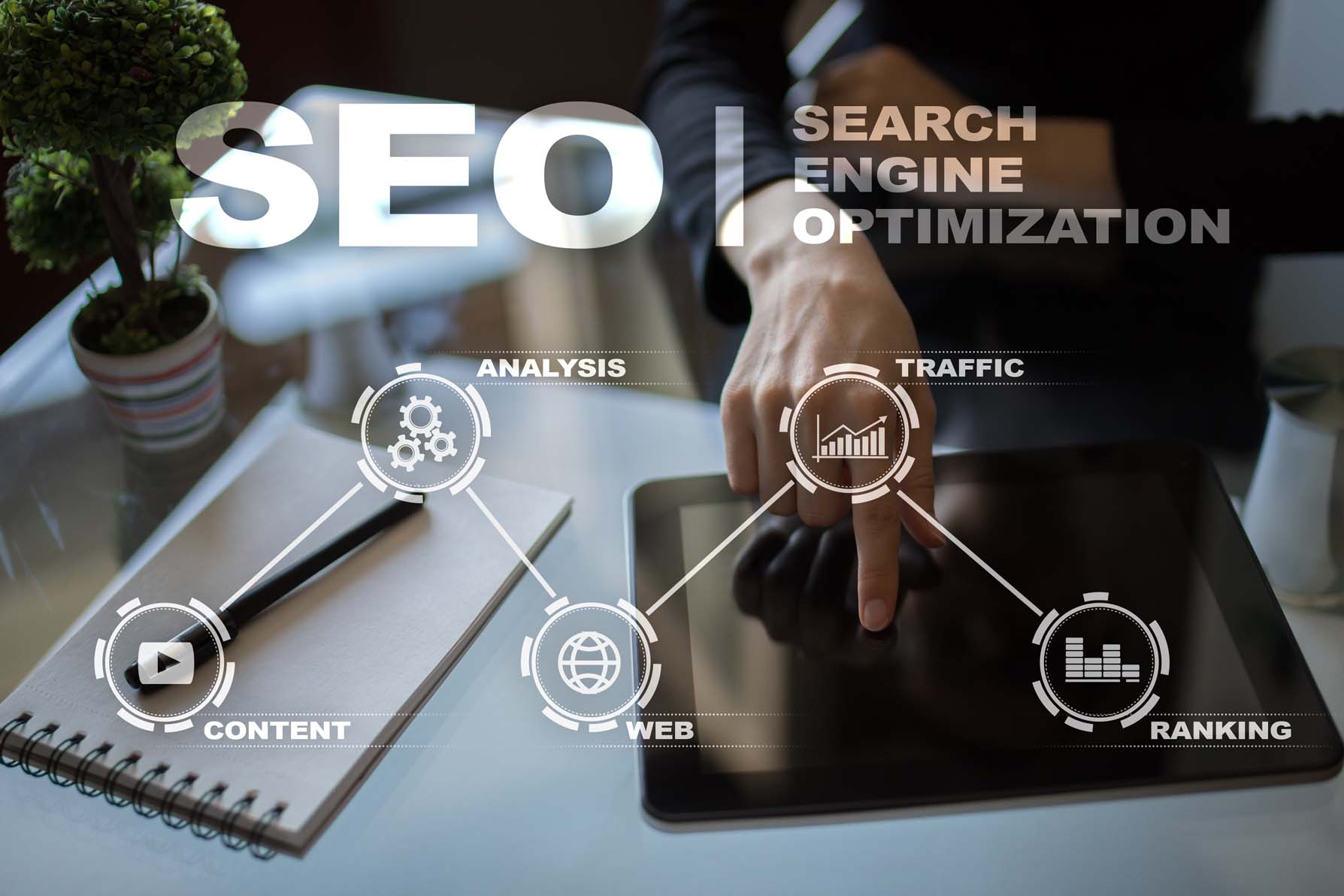
What is Search Engine Optimization & Why SEO Matters
Search Engine Optimization (SEO) is a crucial strategy for enhancing the visibility of a website in search engine results. It involves optimizing various elements of your website so that search engines like Google can understand the content better, rank it higher, and thus make it more accessible to users searching for related topics. Here’s why SEO is essential and how it can benefit your business.
Understanding SEO
SEO is primarily about making your website more attractive to search engines—this involves technical adjustments, content creation, and building a reputation through external links. The process includes:
- On-Page SEO: Refers to the actions taken directly within your website to improve its position in the search rankings. This includes optimizing your content, improving meta descriptions and title tags, and ensuring your site’s structure is search engine friendly.
- Off-Page SEO: Involves external factors that influence your site’s reputation and authority by improving the perception of a site’s popularity, relevance, trustworthiness, and authority. This often relates to links pointing to your site from other websites.
Technical SEO: Focuses on the backend structure of your site. This includes site speed optimization, mobile-friendliness, indexing, crawlability, site architecture, structured data, and security.
Why SEO Matters
Increased Visibility: The higher your site ranks for relevant keywords and phrases, the more likely you are to be noticed by potential and existing customers.
- Cost-Effectiveness: Compared to pay-per-click (PPC) advertising, SEO is a relatively low-cost strategy, offering a robust return on investment over time. Once you rank high in search engines, you receive continuous traffic without the need for ongoing payment.
- Credibility and Trust: Websites that appear higher in search results are often considered more trustworthy and credible by users. SEO helps build this trust by ensuring your site appears in top positions.
- Enhanced User Experience: SEO involves optimizing the website not just for search engines but also for the visitors. This results in better user experiences, higher conversion rates, and increased customer satisfaction.
Long-Term Strategy: While SEO takes time to deliver results, once your site begins to rank highly, it often maintains these positions long-term, giving you lasting benefits.
Getting Started with SEO
Starting with SEO can be as simple as conducting keyword research to find what potential customers are searching for related to your business. From there, integrate those keywords naturally into high-quality, informative content. Make sure your website is easy to navigate, loads quickly, and is secure. Continuously measure your SEO success through tools like Google Analytics and adjust your strategies accordingly.
By investing in SEO, you’re not just aiming to increase your site’s visibility in the short term but also setting up your online presence for long-term success. As search algorithms evolve, staying informed and adapting your strategies is key to maintaining and improving your search engine rankings.